Peruvian Pot
A Guide to Peruvian Aji Peppers
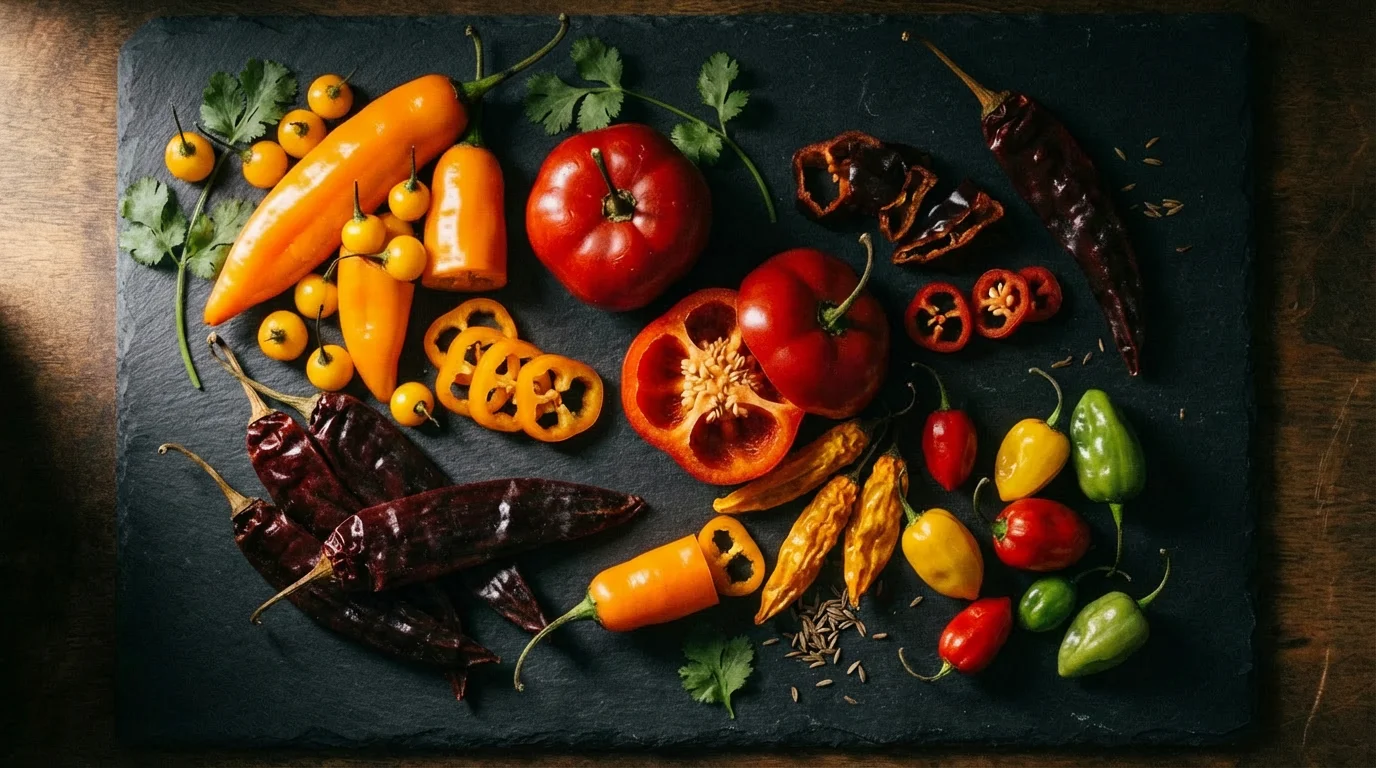
If there's one ingredient that defines Peruvian cuisine, it's the aji pepper. Unlike the overwhelming heat of some chili traditions, Peruvian ajis are prized for their complex flavors — fruity, smoky, sweet, and tangy — with heat that ranges from gentle warmth to serious fire.
Aji Amarillo — The Golden Backbone
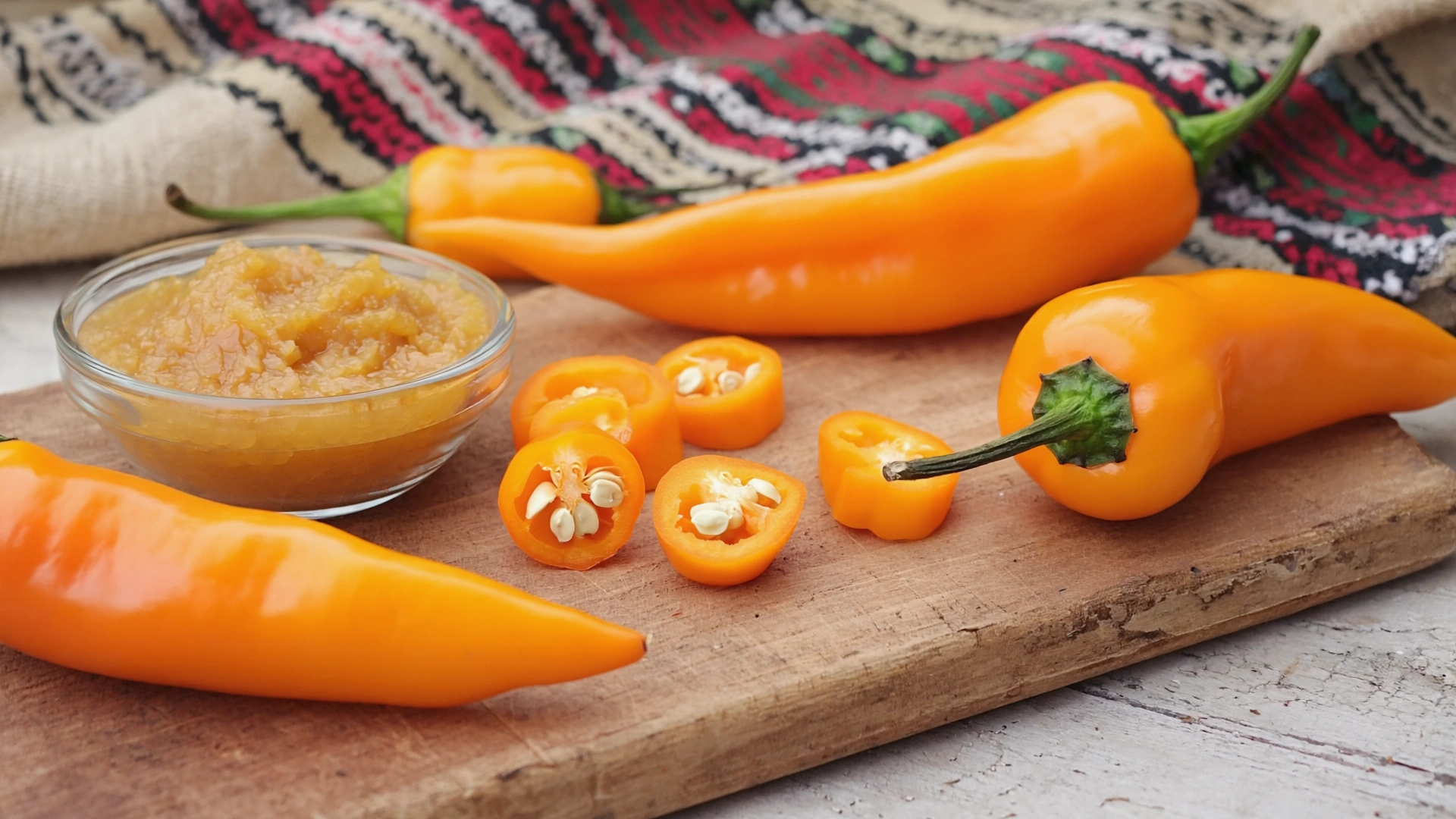
The aji amarillo is Peru's most important pepper. Despite its name ("yellow pepper"), it turns bright orange when ripe. It has a medium heat with a distinctly fruity, almost tropical flavor. You'll find it in aji de gallina, papa a la huancaina, causa limeña, and dozens of other classics. It's sold fresh, as a paste, and dried (when it's called aji mirasol).
Heat level: Medium (30,000-50,000 Scoville units) Best for: Sauces, stews, marinades
Rocoto — The Deceptive Fireball
The rocoto looks like a small bell pepper but packs serious heat. It's one of the oldest cultivated peppers in the Americas, grown in the Andes for thousands of years. Its thick, juicy flesh makes it perfect for stuffing — hence the beloved dish rocoto relleno from Arequipa.
Heat level: High (100,000-250,000 Scoville units) Best for: Stuffing, salsas, fresh in salads
Aji Panca — The Smoky One
Aji panca is a dark, burgundy-colored dried pepper with a mild heat and deep, smoky, slightly sweet flavor. It's the quiet workhorse of Peruvian cooking, adding depth and color to adobos, stews, and anticuchos marinades without overwhelming other flavors.
Heat level: Mild (500-1,500 Scoville units) Best for: Marinades, adobos, stews, coloring
Aji Limo — The Ceviche Pepper
Small but mighty, aji limo is the traditional pepper used in ceviche. It comes in red, yellow, orange, and green varieties, each with a bright, citrusy heat that pairs perfectly with fresh fish and lime juice.
Heat level: High (30,000-60,000 Scoville units) Best for: Ceviche, tiradito, fresh salsas
Aji Mirasol — The Sun-Dried Transformer
Aji mirasol is simply the dried form of aji amarillo, but drying transforms its character entirely. The name means "looking at the sun," a reference to how the peppers are traditionally sun-dried. The drying process concentrates the sugars and develops a deeper, more complex flavor — nuttier and more berry-like than its fresh counterpart, with a subtle smokiness. It's typically rehydrated and blended into sauces, or ground into a powder for seasoning.
Heat level: Medium (30,000-50,000 Scoville units) Best for: Sauces, stews, adobos, seasoning blends
Charapita — The Amazon's Tiny Treasure
The charapita is a tiny, pea-sized wild pepper from the Peruvian Amazon, and it's one of the most expensive peppers in the world. Don't let its size fool you — it delivers serious, fruity heat with a distinctive tropical aroma that's unlike any other pepper. Named after the people of the Loreto region ("charapas"), it grows wild in the jungle and is notoriously difficult to cultivate commercially. In Peru, it's used fresh to add heat to Amazonian dishes, jungle salsas, and ceviches. Its rarity and unique flavor have made it a prized ingredient among international chefs.
Heat level: High (30,000-100,000 Scoville units) Best for: Amazonian ceviches, jungle salsas, fresh as a condiment
Where to Find Them
If you're outside Peru, look for aji amarillo paste in jars at Latin American grocery stores — it's the most versatile option. Dried aji panca can often be found online. For fresh rocotos and aji limo, check specialty produce markets or consider growing your own from seeds.
Put Them to the Test
Try Classic Ceviche for aji limo, Aji de Gallina for aji amarillo, Anticuchos de Corazón for aji panca, or Rocoto Relleno for rocoto.