Peruvian Pot
What Is Aji Amarillo? The Essential Peruvian Pepper Guide
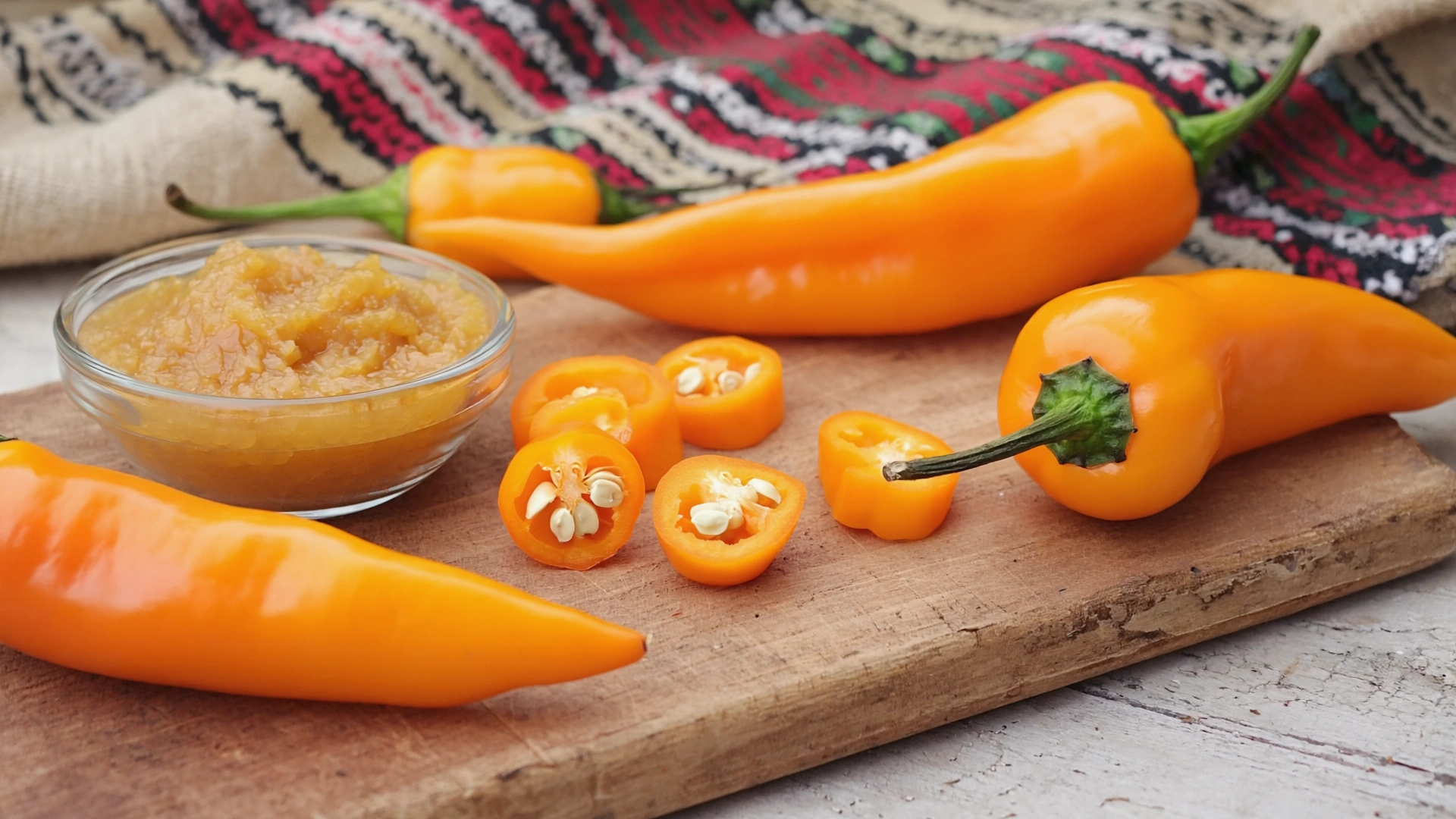
Aji amarillo is the most important pepper in Peru — and arguably one of the most important ingredients in all of Peruvian cuisine. If you're new to Peruvian cooking, this bright orange pepper is the first ingredient you should get to know. This guide covers everything from what aji amarillo tastes like and how to use it, to the best substitutes and where to buy it.
What Is Aji Amarillo?
Aji amarillo (pronounced ah-HEE ah-mah-REE-yo) literally translates to "yellow pepper" in Spanish, though the aji amarillo pepper is actually bright orange when fully ripe — it's only truly yellow during an early stage of ripening. The word "aji" comes from the Quechua language of the Andes, where it simply means "chili pepper."
Scientifically classified as Capsicum baccatum, the aji amarillo is native to Peru and the broader Andean region. Archaeological evidence from the Huaca Prieta site in northern Peru confirms that this pepper has been cultivated for over 4,000 years. The Moche and Inca civilizations grew it extensively — not just for cooking, but for medicine and as a symbol of power. During the Inca Empire, aji farming was considered one of the most important agricultural endeavors in the realm.
Today, aji amarillo is often called the backbone of Peruvian cooking. It appears in an extraordinary number of dishes — from the creamy Ají de Gallina to the bright, fresh Ceviche — and it's one of the ingredients that makes Peruvian food instantly recognizable. Its rising global profile was cemented when McCormick named aji amarillo its 2025 Flavor of the Year.
Flavor Profile and Heat Level
What makes the aji amarillo pepper special is its balance of heat and flavor. At 30,000 to 50,000 Scoville Heat Units (SHU), it sits in the medium-heat range — roughly comparable to cayenne pepper, and about four to six times hotter than a jalapeño.
But heat is only half the story. Aji amarillo has a complex, distinctly fruity flavor with notes of passion fruit, mango, and subtle sweetness. There's a warmth that lingers without overwhelming, and a brightness that lifts everything it touches. This unique combination of moderate spice and tropical fruitiness is exactly why no single substitute can perfectly replicate it.
For comparison with other Peruvian peppers:
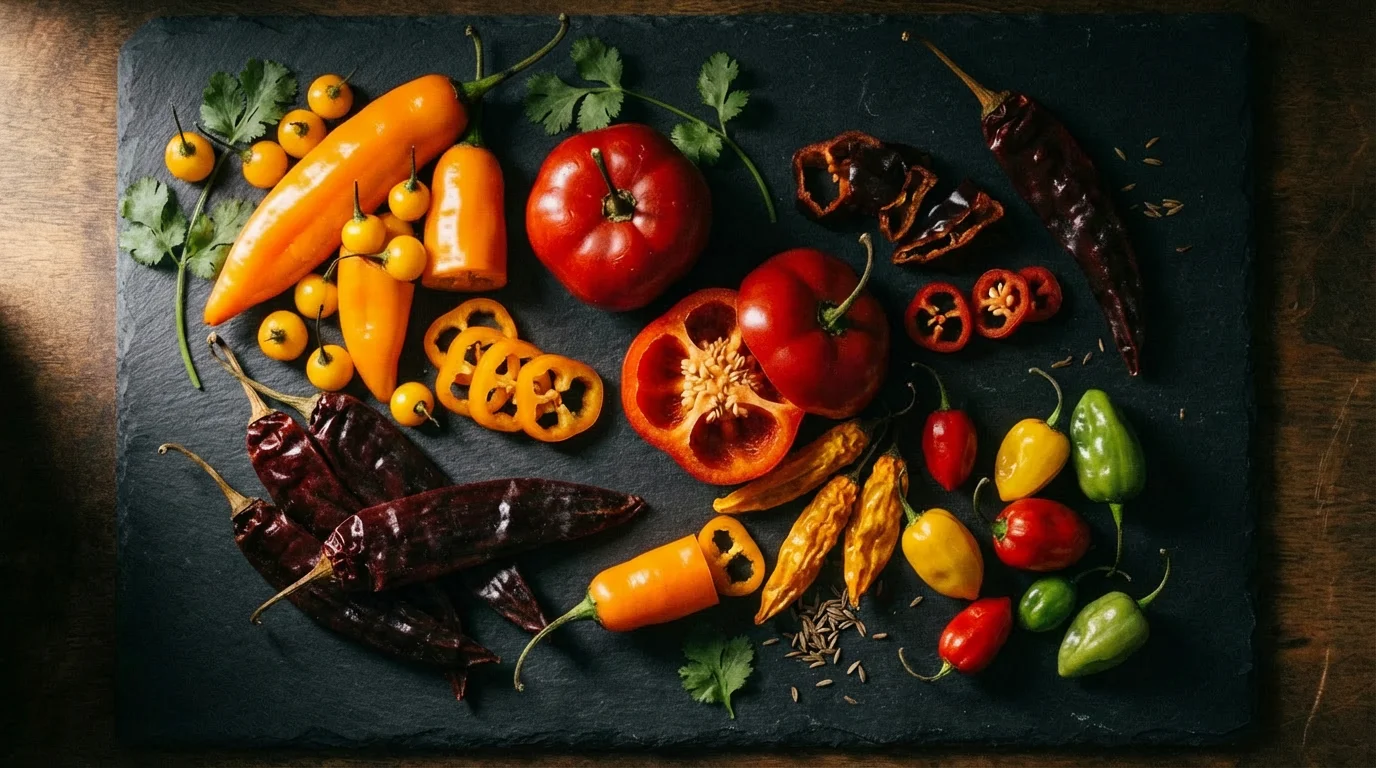
Aji amarillo: 30,000–50,000 SHU — medium, fruity, tropical Aji limo (the ceviche pepper): 30,000–60,000 SHU — bright, citrusy Rocoto: 100,000–250,000 SHU — thick-fleshed, fiery Aji panca: 500–1,500 SHU — mild, smoky, deep
To learn more about the full family of Peruvian peppers, check out our Guide to Peruvian Aji Peppers.
Forms It Comes In
You'll find aji amarillo in several forms, each suited to different needs:
Paste (Pasta de Aji Amarillo) is the most widely available and commonly used form outside Peru. Sold in jars at Latin American grocery stores and online, aji amarillo paste is ready to spoon directly into recipes. This is what most Peruvian recipes mean when they call for "aji amarillo."
Fresh peppers are the ideal form but difficult to find outside South America. They're bright orange, three to five inches long, with a vibrant, immediate flavor.
Dried (Aji Mirasol) is the sun-dried form of aji amarillo. Drying transforms the character entirely — it becomes nuttier, more berry-like, with a subtle smokiness. The name "mirasol" means "looking at the sun," a reference to how the peppers are traditionally dried under the Andean sun.
Frozen whole peppers are available at some Latin grocery stores and offer the closest experience to fresh.
Powder is ground dried aji amarillo — useful for rubs, seasoning blends, and quick additions when you want the flavor without the texture of paste.
How to Cook with Aji Amarillo
In Peruvian kitchens, aji amarillo paste is the everyday workhorse. Most recipes call for one to three tablespoons, stirred directly into sauces, soups, stews, and marinades. A little goes a long way — start with less and taste as you go.
If you're working with fresh aji amarillo peppers, here's how to prepare them: cut them in half, remove the stems, seeds, and veins (the veins carry the most heat — remove more for a milder result), then simmer in water for about ten minutes until softened. Blend with a small amount of oil until smooth. This homemade paste is incredibly fragrant.
For dried aji mirasol, cover with water, bring to a boil, simmer for five minutes, then let cool in the liquid. Remove the seeds and blend with some of the soaking water.
The paste adds both flavor and a beautiful golden-orange color to everything it touches. It's the ingredient that gives Peruvian sauces their distinctive warmth and glow — a color you'll recognize the moment you see a plate of Papa a la Huancaína.
Essential Peruvian Dishes Made with Aji Amarillo
Aji amarillo appears in a remarkable range of Peruvian classics. Here are some of the most iconic:
Ají de Gallina — A rich, creamy shredded chicken stew where aji amarillo paste is the star, blended with bread, walnuts, and Parmesan cheese. This is perhaps the dish that best showcases what the pepper can do.
Papa a la Huancaína — Boiled yellow potatoes topped with a silky cheese sauce made from aji amarillo, queso fresco, and evaporated milk. The pepper gives the huancaína sauce its signature golden color.
Ceviche — Peru's national dish of fresh fish cured in lime juice, where aji amarillo adds its fruity heat to the leche de tigre (tiger's milk) marinade.
Causa Limeña — A layered mashed potato terrine seasoned with aji amarillo paste and lime juice, filled with tuna, chicken, or avocado. As stunning to look at as it is to eat.
Lomo Saltado — Peru's famous stir-fry of beef, tomatoes, and onions, where aji amarillo adds warmth to the wok-fired sauce, served with rice and fries.
Tiradito — Paper-thin slices of raw fish dressed in a bright aji amarillo and lime sauce, often described as the Peruvian cousin of Japanese sashimi.
Arroz con Mariscos — Peru's beloved seafood rice, where the rice cooks in a rich aji amarillo and tomato broth packed with shellfish.
These are just a few — aji amarillo also stars in anticuchos marinades, comforting shrimp chowders, and countless stews and broths from all three of Peru's culinary regions.
Aji Amarillo Substitutes
If you can't find aji amarillo paste and need a substitute, here are your best options:
Habanero plus orange bell pepper is the most recommended aji amarillo substitute. Blend half a habanero with one orange bell pepper to approximate both the fruity flavor and the heat level. Use in a 1:1 ratio for aji amarillo paste.
Scotch bonnet peppers offer a similar fruity flavor but are significantly hotter (100,000–350,000 SHU). Start with about a quarter of the amount called for and adjust upward.
Serrano peppers provide clean, moderate heat but lack the tropical fruit notes that define aji amarillo. A reasonable option when heat matters more than exact flavor.
Cayenne pepper matches the heat range almost exactly but brings none of the fruity character. Better than nothing, but the difference is noticeable.
The honest truth: no single aji amarillo substitute captures both the heat and the distinctive tropical sweetness. If you cook Peruvian food regularly, it's worth keeping a jar of the real paste in your fridge. It keeps for months and transforms every dish it goes into.
Where to Buy Aji Amarillo
Latin American grocery stores are the most reliable source. Look for aji amarillo paste in jars — brands like Inca's Food, Doña Isabel, and Goya are widely available in the Peruvian or South American section.
Online retailers offer the widest selection. Amazon carries multiple brands with subscription options for regular discounts. Specialty sites like AmigoFoods also ship aji amarillo paste and dried peppers.
Mainstream supermarkets are catching on. More and more grocery stores now stock aji amarillo paste in their international or Latin American foods aisle, especially as Peruvian food gains global recognition.
For a full list of essential Peruvian ingredients to stock alongside your aji amarillo, check out our Peruvian Pantry Essentials guide.
How to Store Aji Amarillo
Store-bought paste (opened): Refrigerate in an airtight container for up to six months. The commercial preservatives give it excellent shelf life.
Homemade paste: Keeps for up to three weeks refrigerated in a glass jar. For longer storage, freeze in ice cube trays, then transfer to freezer bags — each cube is roughly a tablespoon, perfect for grabbing exactly what you need. Frozen paste keeps for up to six months.
Fresh peppers: Store unwashed in a plastic bag in the refrigerator's crisper drawer for up to two weeks. For longer storage, freeze them whole with no preparation needed.
Dried peppers and powder: Store in an airtight container in a cool, dark place. Dried peppers keep for up to a year; powder lasts up to two years, though the flavor begins to fade after the first year.
Start Cooking with Aji Amarillo
The best way to understand aji amarillo is to cook with it. Start with Papa a la Huancaína — it's simple to make, the aji amarillo flavor is front and center, and it's one of the most satisfying Peruvian dishes to prepare at home. From there, try Ají de Gallina for a comforting weeknight stew, or Classic Ceviche to experience the pepper's brightness alongside fresh lime and fish. You'll quickly see why this golden pepper has been at the heart of Peruvian cooking for thousands of years.