Peruvian Pot
The History of Ceviche: Peru's National Dish
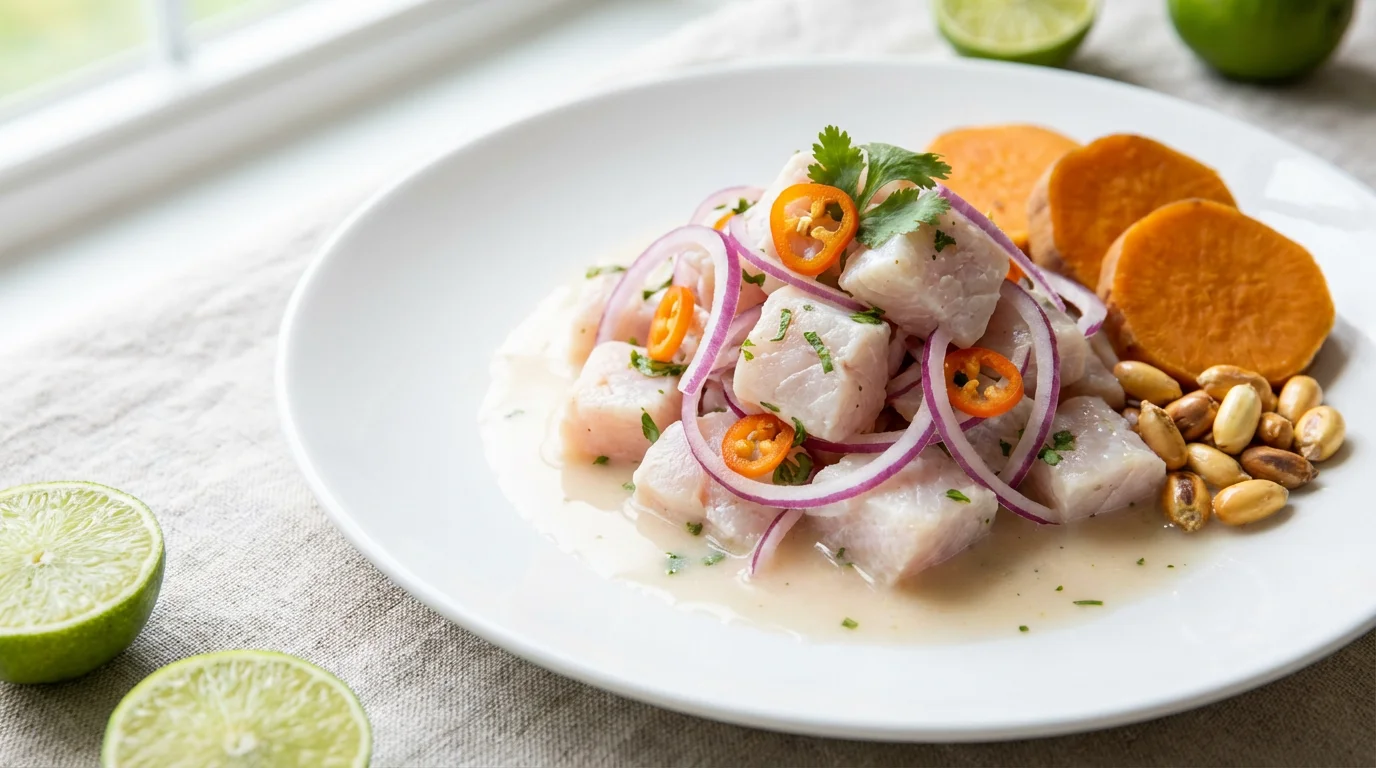
Ceviche is more than a dish — it's a national symbol. In 2004, Peru declared ceviche part of its national heritage, and in 2023 it was inscribed on UNESCO's Intangible Cultural Heritage list. But the story of how raw fish cured in citrus juice became a global sensation stretches back thousands of years.
Ancient Origins
The Moche civilization, which flourished on Peru's northern coast around 2,000 years ago, is believed to have prepared an early form of ceviche using the juice of a local fruit called tumbo (banana passionfruit). Pre-Columbian coastal peoples marinated fresh fish in chicha, a fermented corn drink, which partially "cooked" the proteins.
The Spanish Influence
When the Spanish arrived in the 1500s, they brought citrus fruits — limes and bitter oranges — from the Old World. These new acidic fruits transformed the dish. The combination of fresh fish with lime juice, salt, and aji peppers created something close to the ceviche we know today.
The Japanese Touch
In the early 20th century, Japanese immigrants (known as Nikkei) revolutionized ceviche. Traditional ceviche was marinated for hours, but Japanese chefs — accustomed to the precision of sashimi — introduced the concept of brief marination. This "leche de tigre" style, where the fish barely kisses the citrus, preserves the fresh, delicate texture of the fish.
Ceviche Today
Modern Peruvian ceviche is remarkably simple: the freshest possible white fish (corvina or lenguado are traditional), lime juice, red onion, aji limo pepper, salt, and cilantro. It's served immediately — a proper ceviche should be prepared and eaten within minutes. The leftover citrus marinade, called "leche de tigre" (tiger's milk), is sipped as a shot and considered a hangover cure.
Making It at Home
The key to great ceviche is freshness. Use sushi-grade fish, plenty of fresh lime juice, and don't let it marinate too long — 5 to 10 minutes is plenty. Slice your red onion paper-thin, and serve with sweet potato (camote) and toasted corn (cancha) on the side. Ready to try? Follow our Classic Ceviche recipe for a step-by-step guide.
Try It Yourself
Make our Classic Ceviche, or try Tiradito for the Nikkei twist.