Peruvian Pot
What Makes Peruvian Food So Special?
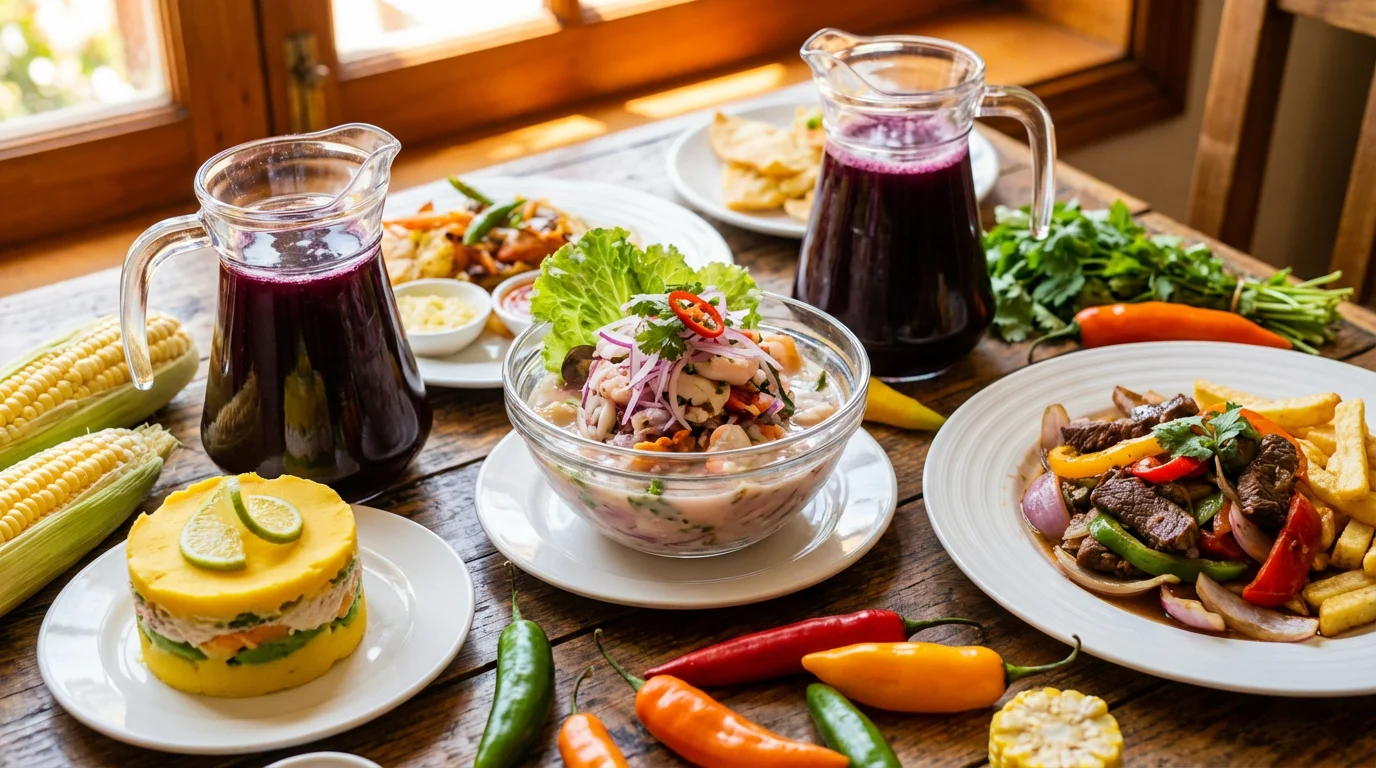
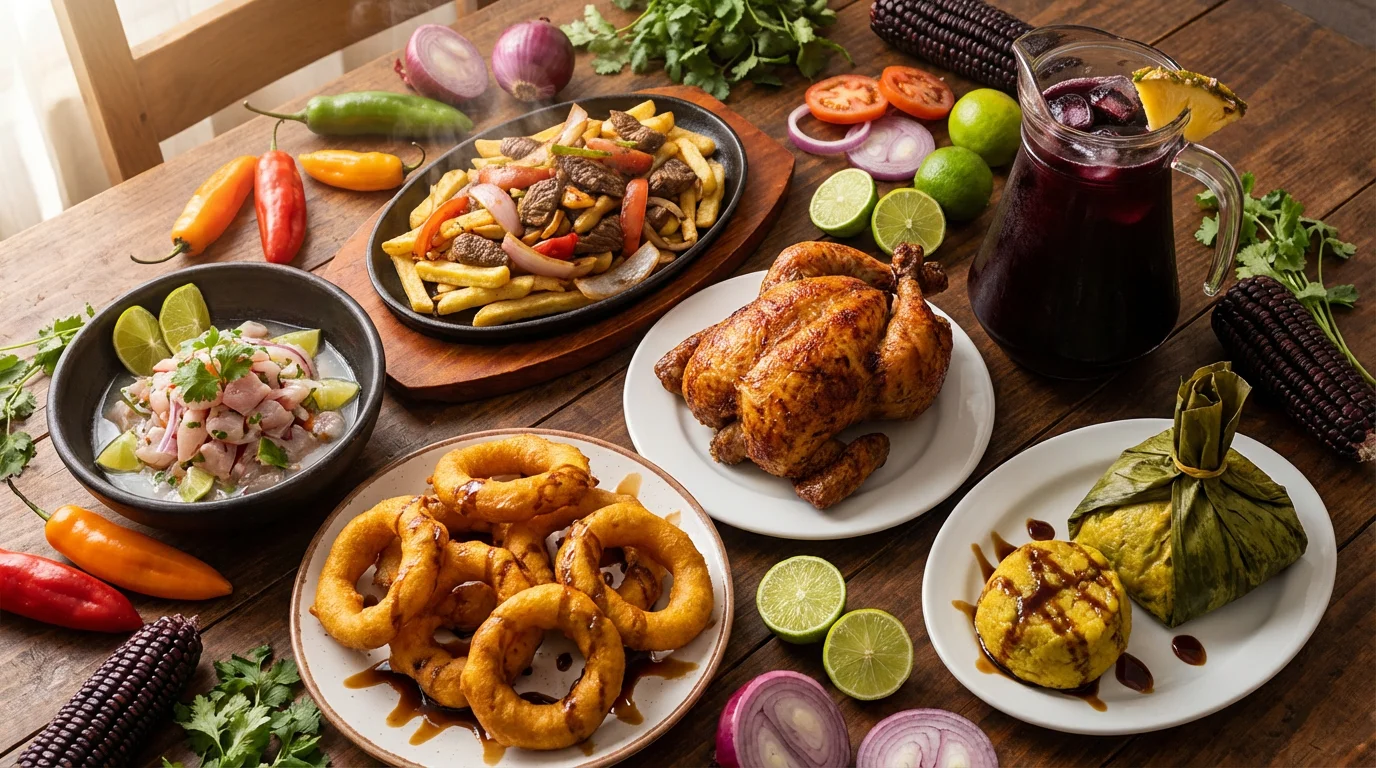
Peru's cuisine is consistently ranked among the best in the world, and for good reason. The country's unique geography — spanning coastal deserts, towering Andes mountains, and dense Amazon rainforest — creates an incredible diversity of ingredients found nowhere else on earth.
A Melting Pot of Cultures
What truly sets Peruvian food apart is its fusion of cultures. When Spanish conquistadors arrived in the 16th century, they brought olive oil, garlic, and onions. African slaves introduced techniques for slow-cooking and bold seasoning. In the 19th century, waves of Chinese immigrants created "chifa" cuisine, blending Cantonese cooking with Peruvian ingredients. Japanese immigrants brought their precision and respect for raw fish, which merged with Peru's existing ceviche tradition to create dishes like tiradito.
The Superfoods That Started Here
Peru is the birthplace of potatoes — with over 3,000 varieties still grown in the Andes. Quinoa, the protein-packed grain that took the health food world by storm, has been cultivated in Peru for over 5,000 years. Aji peppers, the backbone of Peruvian flavor, come in dozens of varieties from mild to fiery.
Three Worlds, Three Cuisines
The Costa (coast) offers ceviche, seafood, and dishes influenced by Asian immigrants. The Andes provide hearty dishes like Pachamanca, roasted meats, and ancient grains. The Amazon contributes exotic fruits, river fish, dishes like Juane, and ingredients like giant snails and palm hearts that challenge and delight adventurous eaters.
Why Now?
Peruvian food is experiencing a global moment. Lima has more restaurants on the World's 50 Best list than any other city in Latin America. Chefs like Gastón Acurio and Virgilio Martínez have become international ambassadors for Peru's culinary heritage. But the real magic happens in home kitchens, where recipes passed down through generations continue to evolve while staying true to their roots.
Start Your Journey
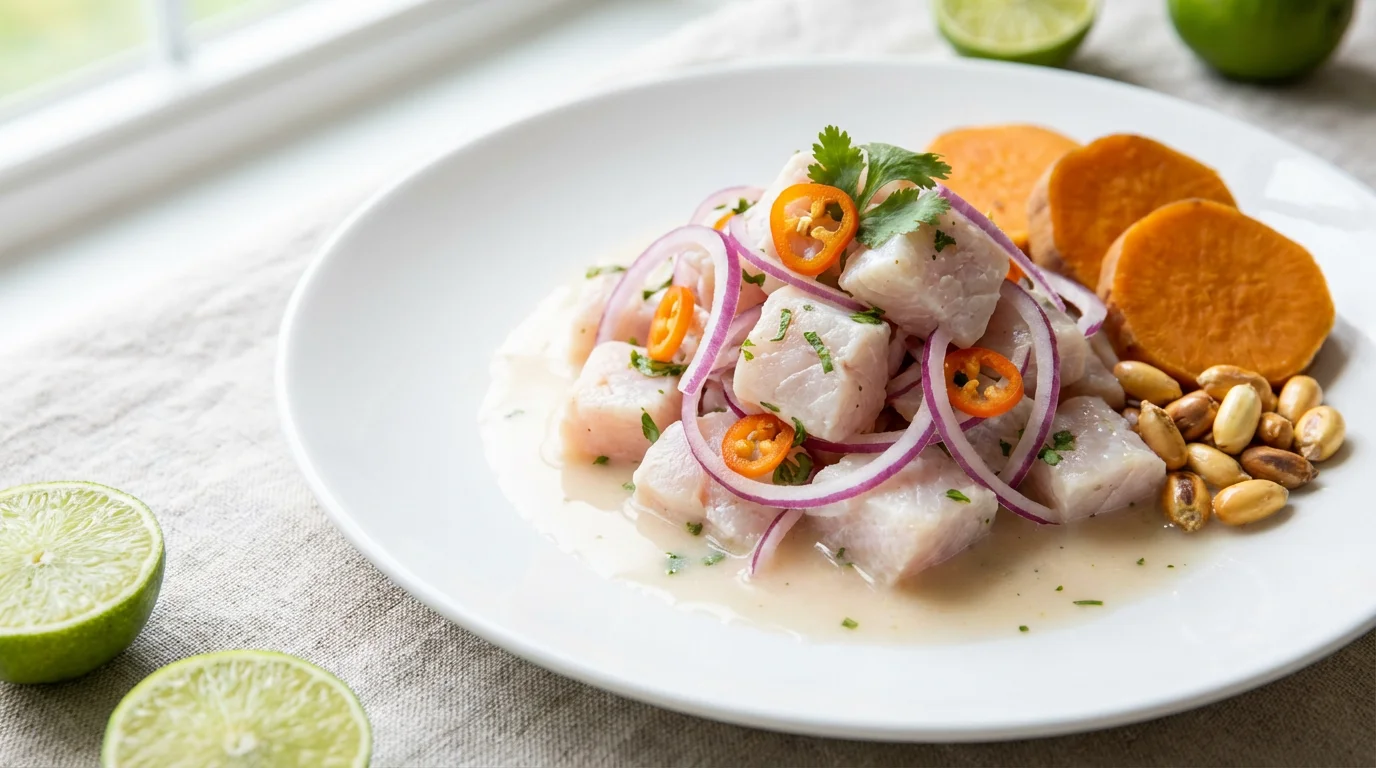
Try Classic Ceviche from the coast, Pachamanca from the Andes, or Juane from the Amazon.